Stubby & Memorable: The Charm of Parrotbills
Release Time: December 26, 2025 Author: Ava Wu
Stubby & Memorable:The Charm of Parrotbills
If you overlook the beak, parrotbills might not seem particularly special. Like many common small passerines, they enjoy hopping cheerfully among bamboo groves, reeds, or shrubs. Their short, rounded wings and long tail feathers—typical of passerines—help them navigate deftly through dense thickets, filling the air with a delightful chorus of chirps and tweets. But once you spot them through binoculars, even a beginner will quickly realize: these are parrotbills. Their beaks, disproportionately short compared to their heads, are so distinctive that they’re impossible to forget. This unique feature even gave the bird its name. Functionally, their beaks do resemble those of parrots—both are adapted to exert strong force instantly, ideal for cracking open the hard shells of seeds and fruits.
The Reed Parrotbill (Paradoxornis heudei) represents the most primitive form within the parrotbill family and is found in eastern China’s coastal wetlands. True to its name, it thrives in reedbed habitats. Compared to the mini beaks of other parrotbills, the Reed Parrotbill’s beak is broader, larger, and remarkably powerful—capable of splitting tough reeds to extract hidden insects. Paired with its bold, dark eyebrow stripes, this bird carries a truly majestic aura.
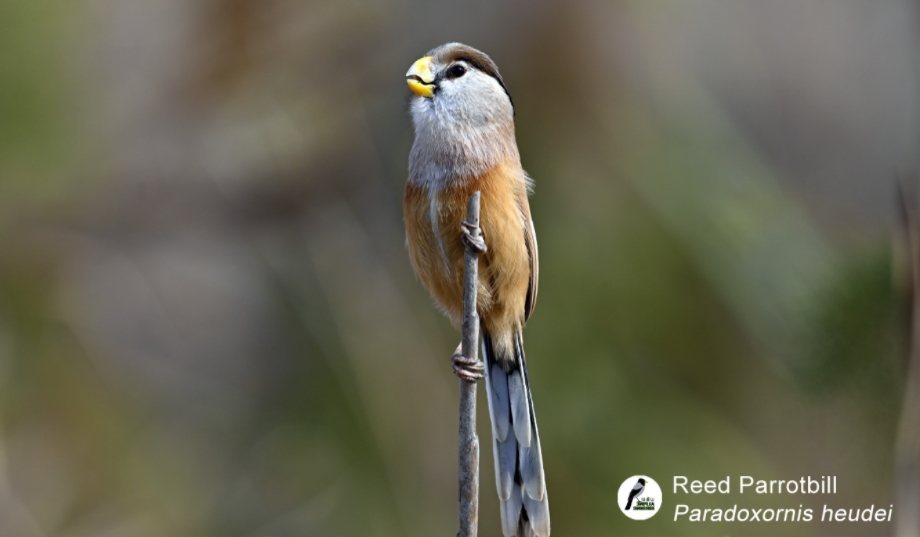
A parrotbill’s eyes also greatly influence its character. Most species lack prominent eye-rings and have pure black, beady little eyes. Combined with their delicate beaks, this gives them an exceptionally cute and well-mannered appearance—like polite little children—possessing a unique kind of charm in the avian world.

Species with white eye-rings, however, appear more intense and lively. Take China’s endemic Three-toed Parrotbill, for example—it sports dark eyebrow stripes alongside its white eye-rings, radiating a vibe of “small size, big energy.”
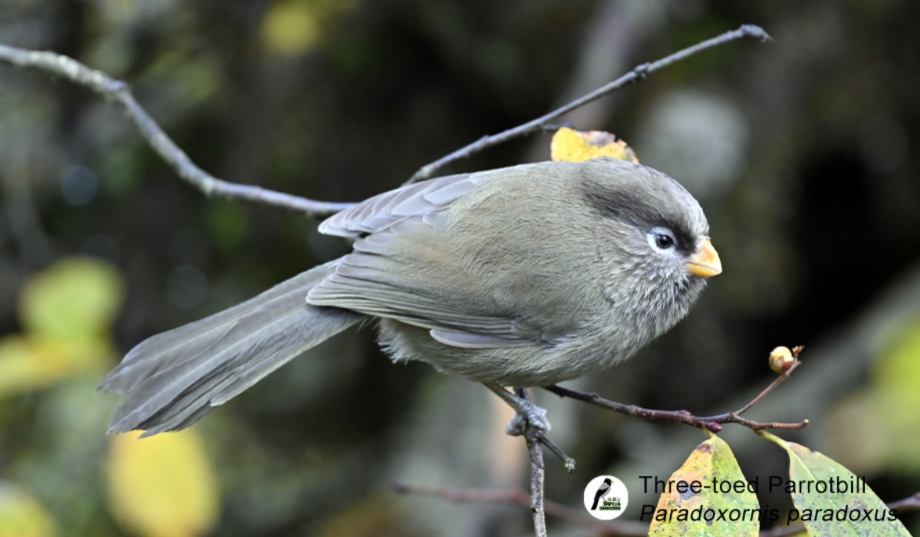
Parrotbill facial features fall into two categories: one with plain or gradient coloring that, paired with their petite bodies, reminds one of fluffy chicks;
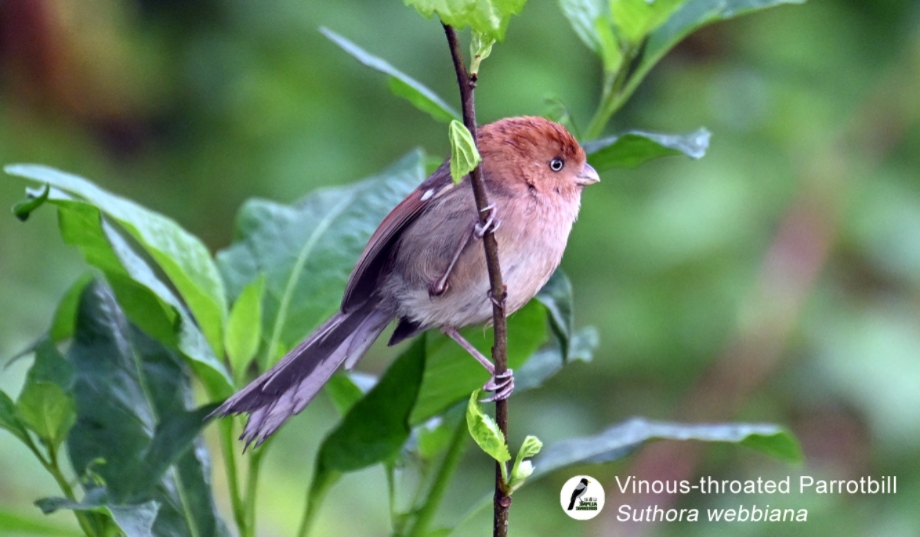
the other with clearly contrasting, vibrant facial colors—reminiscent of masks in traditional Chinese opera.When flying in small flocks through grass and bushes, they appear as a dappled flash through binoculars—as if their lively calls have taken visible form.
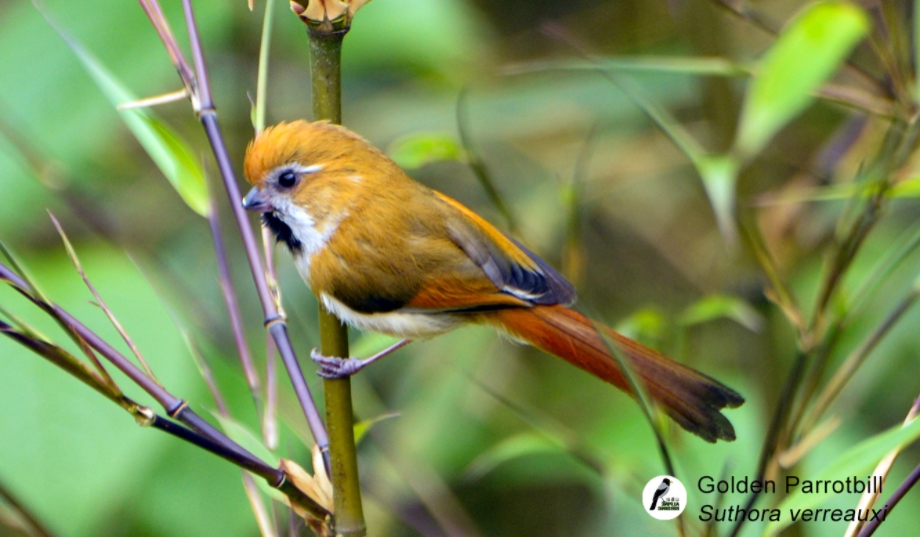
Want to see these cute stubby-beaked birds in person? China is a must-visit. Of the 22 parrotbill species found worldwide, 19 can be observed in China—four of which are endemic. China is the unparalleled evolutionary and diversity hub for parrotbills, truly deserving of the title “Home of the Parrotbills.”