Laughingthrushes: The Noisy Pulse of China’s Forests
Release Time: January 27, 2026 Author: Ava Wu
Laughingthrushes: The Noisy Pulse of China’s Forests
If an award were to be given for the most conspicuous birds in China’s forests, laughingthrushes would undoubtedly be one of the strongest contenders. Walking through the woods, it's hard to ignore their presence. These medium-sized passerines, endemic to the Old World, find their grand stage in China, which hosts three-quarters of all laughingthrush genera. Most species are adapted to a ground-dwelling lifestyle, with short, rounded wings that make them poor fliers, but strong, powerful legs. Their bills are sharp, thick, and robust, well-suited for flipping over debris to find food.
True to their name, laughingthrushes possess diverse and loud songs. Some species are particularly fond of forming small flocks, creating a clamor whenever they appear. This is accompanied by the tapping sounds of their hops through the undergrowth and the rustling of overturned leaves. Their lively habits and vigorous movements seem to send a strong signal to any observer: "We're here!"
The appearance of laughingthrushes is highly distinctive and even visually striking. Typical laughingthrushes have stout bodies and long tail feathers. Many species display extremely diverse and brilliant colors, arranged in bold and unconventional patterns, as if giving visual form to their noisy calls.
The plumage of laughingthrushes resembles a masterful collection crafted by nature at the peak of its creativity. This endless wellspring of distinctive inspiration comes together in a remarkable sartorial collection spanning 16 genera and 135 species. Species within the same genus often share similar color patterning distributions while experimenting with entirely different palettes, much like distinct creations within a single haute couture collection. What unites them all is that each design remains avant-garde and daring in style.
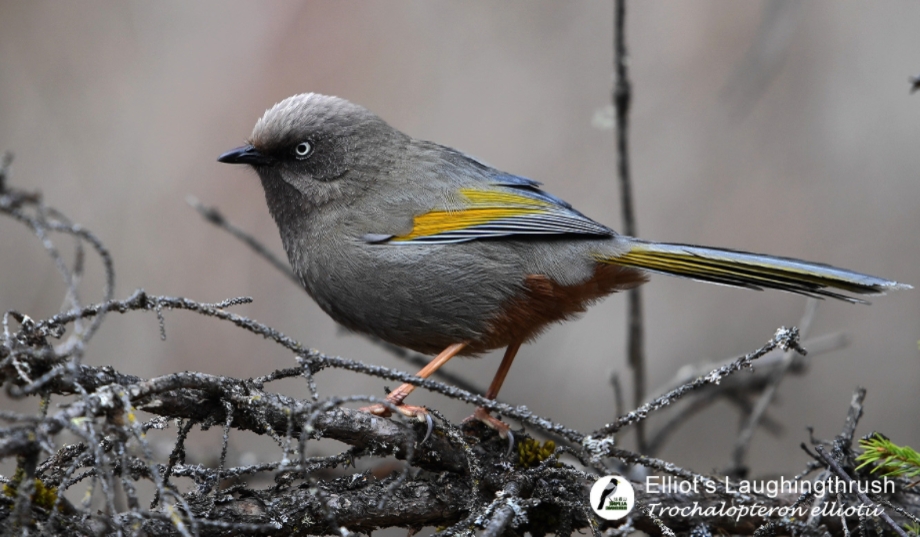
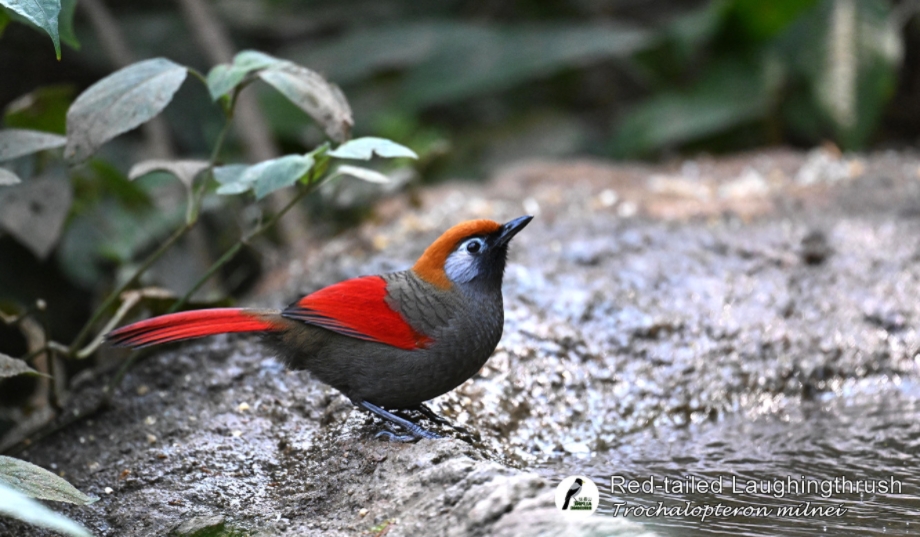
First, let's look at members of the Trochalopteron genus. The Chinese name of this genus means "colorful wings." Their fashion approach involves using large areas of base color, accentuated by a slender, stunning splash of bright color on the most essential flight feathers. The focus is clear, the effect extraordinary. The Elliot’s Laughingthrush and the Red-tailed Laughingthrush are two examples, one with orange wings, the other with red wings.
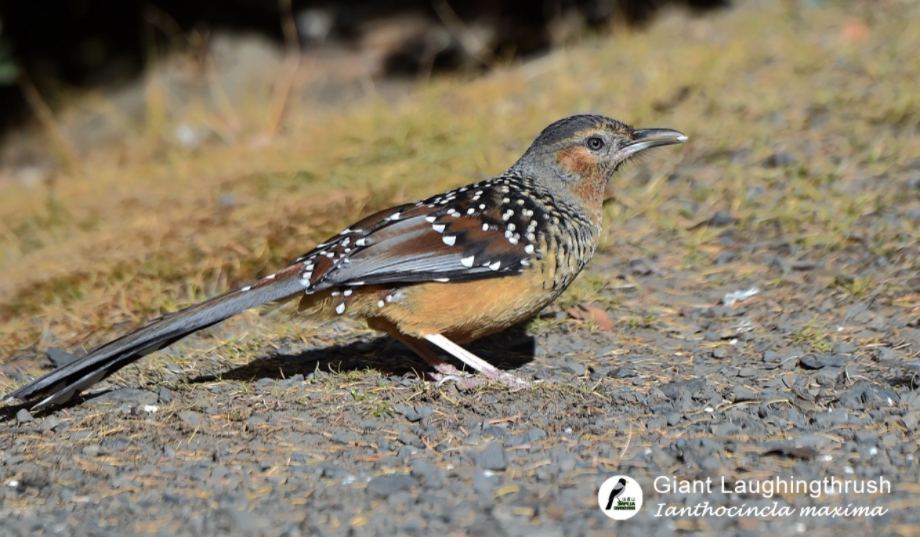
Ianthocincla, on the other hand, adores spots. The Giant Laughingthrush is endemic to China, with a body length of 36cm. Its yellow-brown-grey gradient plumage is covered in distinct spots of varying sizes and layers. The brightest, whitest spots adorn its back, like solidified plateau sunlight; the more subdued, grey-toned spots cluster within the downy feathers of its belly, like precious gems kept discreetly hidden. Beyond sporting "leopard print," this proud bird also accessorizes with black eye stripes, orange eyebrow stripes, and constricted pupils, making it appear even more wild and untamed.
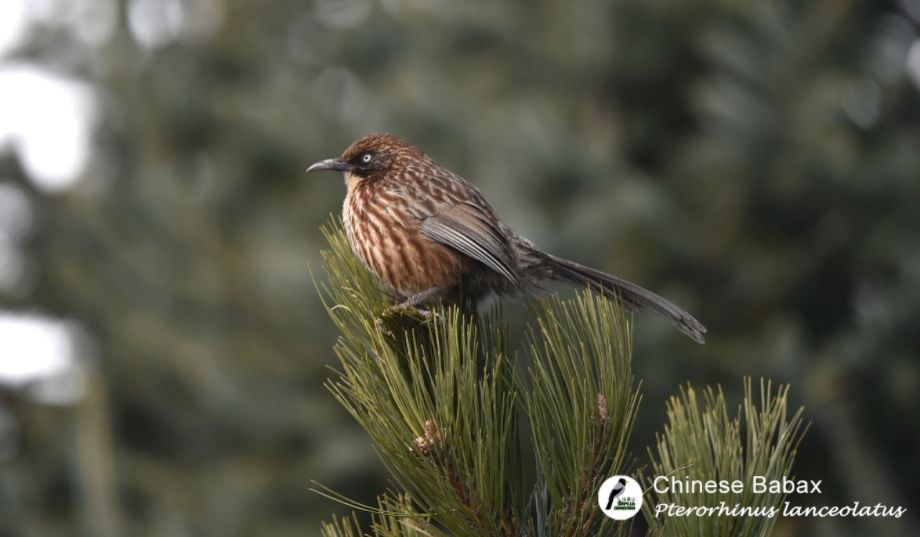
Some prefer spots, while others favor stripes. The Babax, members of the Pterorhinus genus, dwelling in forest-edge thickets, wear dark streaks as if recording the trails of slender grass blades brushing against their forms—a testament to their travel-worn days. Seemingly dust-colored at first glance, they reveal upon closer look a patina of time, growing ever richer in detail and nuance.
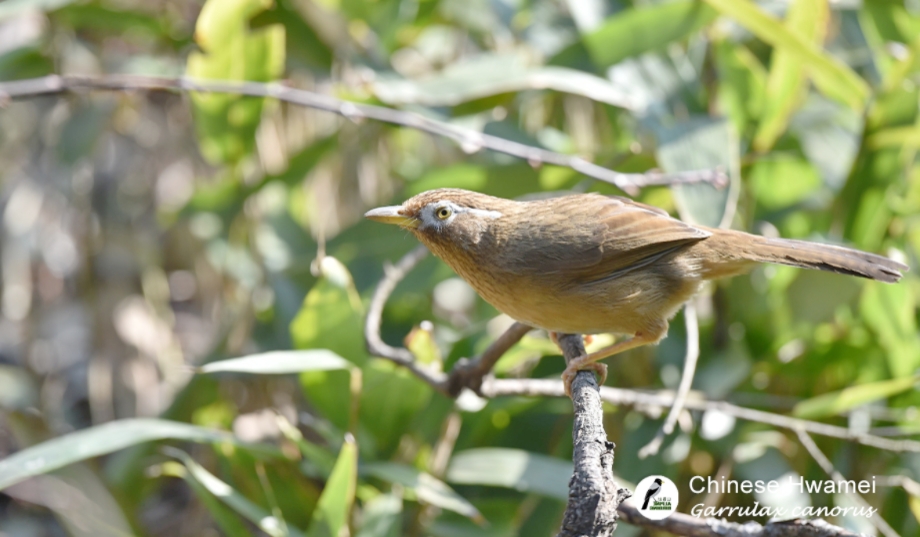
Typical laughingthrushes of the Garrulax genus firmly believe that the eyes are the windows to the soul and place great emphasis on eye stripe design. The Hwamei is the most widely recognized and culturally significant laughingthrush in China and is now the city bird of Guangzhou. It is cloaked in woody brown tones, with only a white ring around its eye that trails off, like sealing wax splattered on old wood - rustic yet uniquely ingenious, perfectly aligning with traditional Chinese aesthetics.
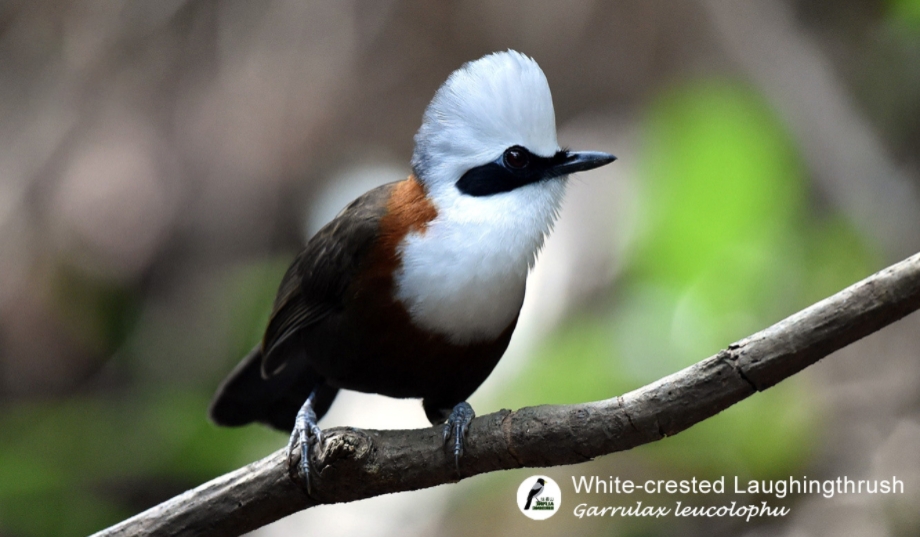
The White-crested Laughingthrush of the same genus is much more flamboyant. They fluff up their snow-white high crests, creating a sharp contrast with the thick black markings above their eyes.
On a birding trip, with such a noisy, lively, and proud group of birds for company, you are unlikely to feel lonely. Want to experience their unique calls and admire their awe-inspiring, naturally designed outfits? A journey through southern and southwestern China — including Yunnan, Sichuan, and Hainan — offers some fantastic opportunities to see them up close.
Last one: A Feathered Dawn: Birdwatching in Western Sichuan's Snow Peak
Next one: The End